
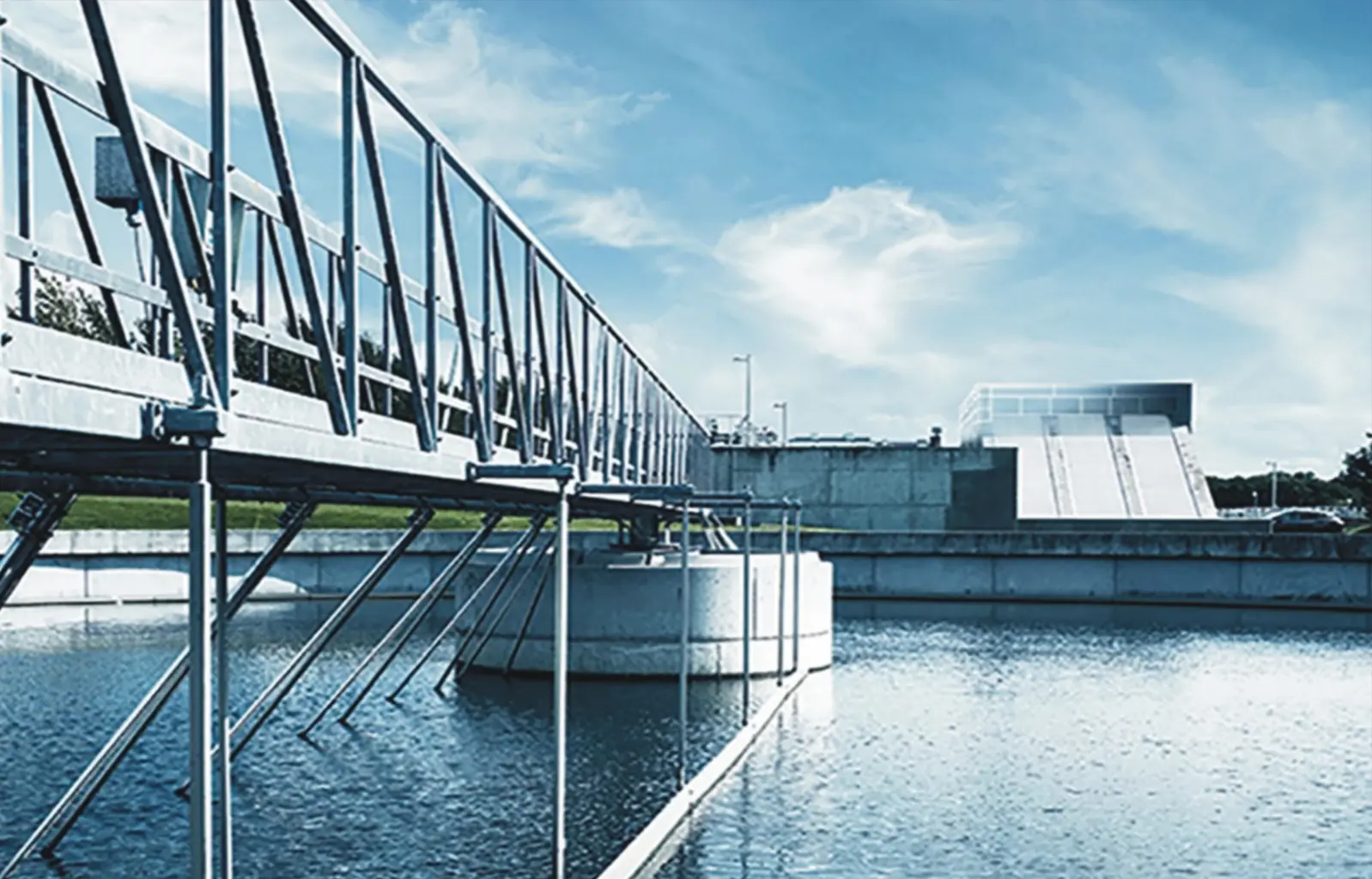
Energy Neutral Wastewater Treatment
Municipal wastewater treatment uses a lot of energy. With the right technology, works can produce as much energy as they consume.
Wastewater treatment works are among the largest electricity users for local authorities. Yet wastewater itself contains several times the energy needed to treat it.
Where the energy goes
Aeration typically accounts for half or more of a works' electricity use, followed by pumping and sludge handling. Small improvements in these areas add up quickly.
Reduce demand
Fine-bubble diffusers, dissolved-oxygen control and efficient blowers can cut aeration energy significantly. Better coagulation and primary treatment remove more organic load before it reaches the aeration basin.
Increase production
Diverting more organic material to anaerobic digestion increases biogas yield. Co-digesting food waste and using combined heat and power turns that biogas into electricity and heat for the site.
Bring it together
Monitoring and control tie these measures together, helping operators keep treatment compliant while steadily reducing net energy use.
- Lower aeration energy
- Higher biogas production
- Reduced carbon footprint
- Lower operating costs

Let's solve your water challenge together
Tell us about your system and our specialists will recommend the right products, dosing and testing regime, usually within one working day.